Reading time:
How PubQ helps canteens cut waste at lunch
Half-priced lunches at 13:30, sold-out tags that update in real time, push notifications when there are still 20 boxes left in the kitchen — small mechanics, big impact on what ends up in the bin.

Article written by
PubQ Team
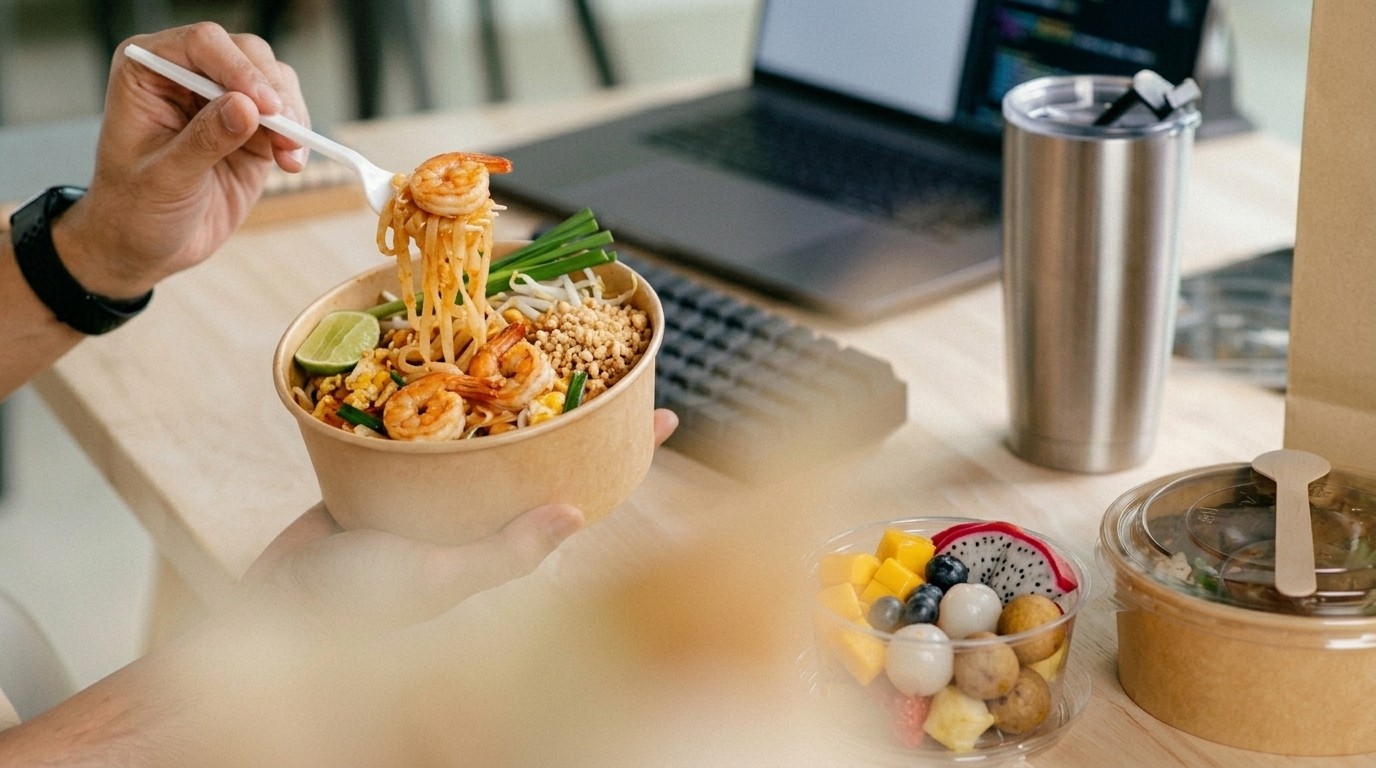
Every canteen kitchen has a version of the same problem. The team prepped for 800 lunches. About 600 came in. Now there are trays of food that won't make it to tomorrow, and somebody has to decide what to do with them.
Food waste is the largest controllable cost in most contract catering operations, and it's also the one that's hardest to manage in real time. By the time the head chef realises a dish is overproduced, the lunch rush is already done.
Why food gets thrown out
The waste isn't usually about bad planning. It's about information. Most canteens still rely on the cashier reading the room, the kitchen guessing how the day is going, and the manager finding out what sold at the end of the shift when the till is closed out.
By then it's too late to do anything about the food that's already plated, the salads that have been topped up too many times, or the warm dishes that have been sitting under heat lamps since 11:30.
What changes when the data lives in one place
With MyPubQ, sales from every channel — app, web, kiosk, POS — flow into the same view. The kitchen sees what's selling and what isn't, while it's still selling. A dish that's running hot can be promoted in the app. A dish that isn't moving can be paused before more of it gets prepped.
When something genuinely runs out, marking it sold-out updates every channel at once. No more refunds for guests who paid in the app for something that was gone before they got to the counter.
The end-of-lunch question: discount or discard
The most useful piece of the system is the part that runs at the end of service. The kitchen counts what's left, packs it into takeaway boxes, sets a reduced price, and sends a push notification to everyone who has the app.
A few things tend to happen:
The boxes sell out fast — usually within minutes
Guests who didn't make it in for lunch get a meal they wouldn't have bought otherwise
Food that was going in the bin pays for itself instead
The signal goes back to the planning team for next week's prep
What to expect
Canteens running this kind of end-of-day model typically see waste drop by 20–40% within the first quarter. The reduction shows up as direct margin improvement — the food was already a sunk cost, and now it generates revenue instead of going to a compost bin.
There's also a softer benefit that's harder to measure but obvious once you see it: the kitchen team stops dreading the end-of-lunch tray. There's a workflow for it now. The food isn't a failure, it's the next service.
Where to start
If you're running a canteen and want to take a serious cut at waste, the first move isn't to buy a system. It's to spend a week tracking what gets thrown out and when. Once you know where the leaks are, the question of which channels and which mechanics to deploy gets a lot easier to answer.
For most operations we work with, the high-leverage moves are: real-time sold-out across channels, a same-day discount slot in the app, and a weekly review of what the data is telling you about overproduction. None of it is dramatic. It just adds up.
Want to see how PubQ handles food waste in your canteen? Get in touch — we'll walk through your setup and show you what's possible.
Article written by
PubQ Team
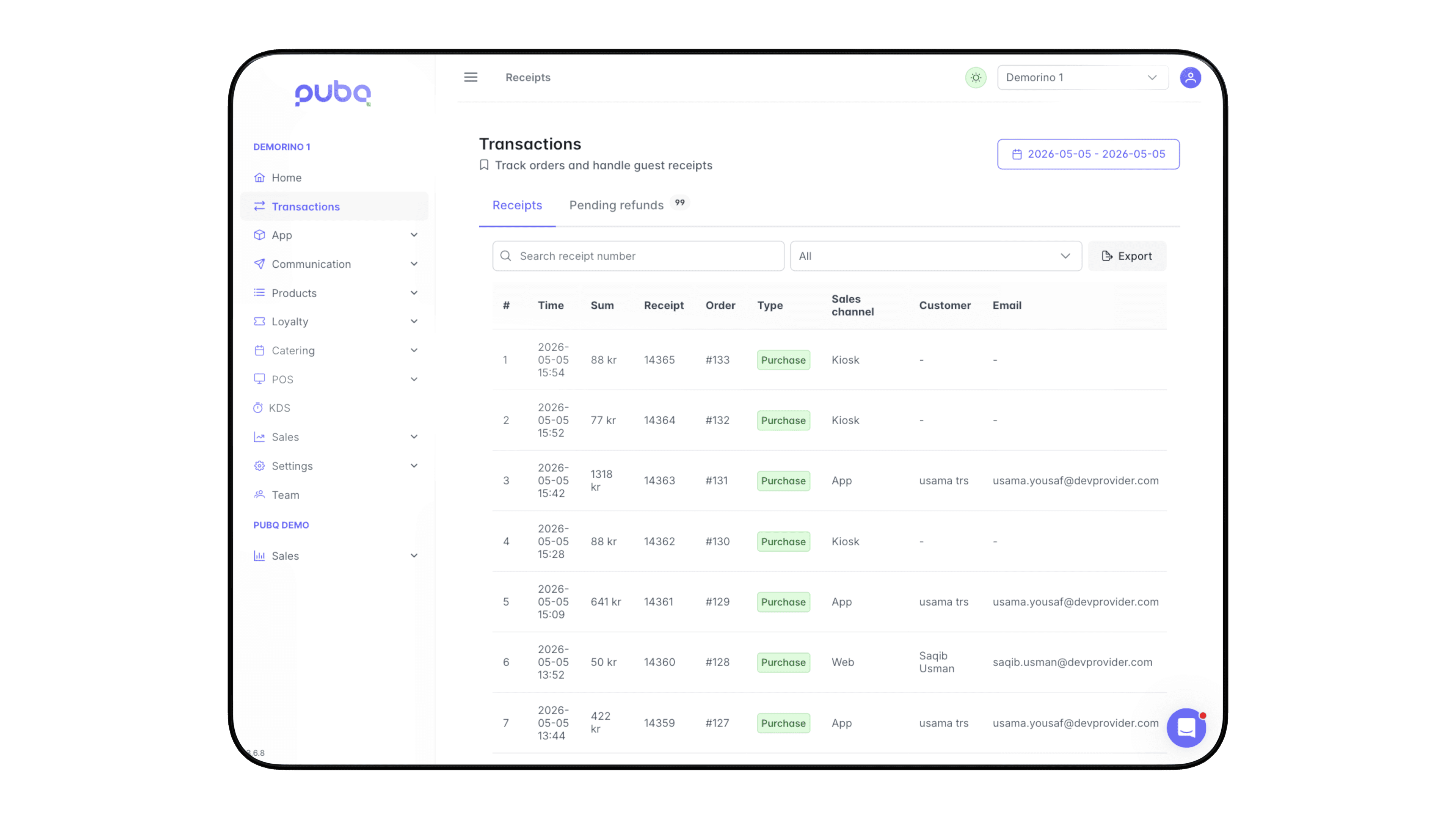
Data and insights in My PubQ
We would love to show you what PubQ can do for your business.